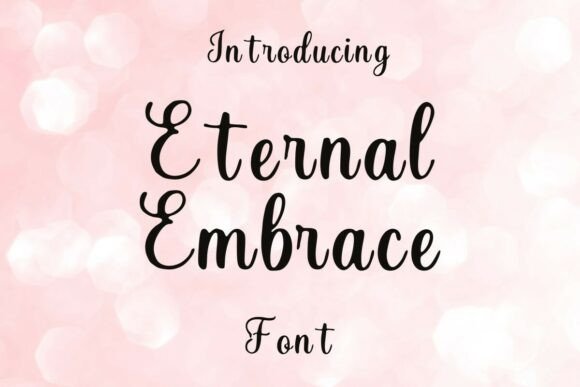
Full Ruwet: A Versatile Script Font for Editorial Design
Where Can Full Ruwet Shine?
Whether you're working on a blog header, a magazine cover, or a newsletter graphic, Full Ruwet has the versatility to fit into various editorial contexts. Here are some key areas where this font excels:
- Blog Headers: Use Full Ruwet for your blog title to make a strong first impression. Its elegant curves add a touch of sophistication without overwhelming the reader.
- Magazine Covers: The font’s stylized look works beautifully as a focal point on covers, drawing attention while maintaining readability.
- Ebook Titles: For digital books, Full Ruwet can serve as a striking title font that sets the tone for the entire publication.
- Newsletter Graphics: Incorporate Full Ruwet into pull quotes or section headings to add visual interest and break up dense text.
- Quote Layouts: Its script style makes it perfect for emphasizing quotes or key phrases in articles and guides.
- Printable Guides: Whether it’s a planner, worksheet, or printable resource, Full Ruwet adds a professional yet creative edge to your materials.
Visual Hierarchy and Reader Engagement
One of the most powerful aspects of Full Ruwet is its ability to support visual hierarchy. By using this font strategically, you can guide the reader’s attention through your content. For instance, pairing Full Ruwet with a clean sans-serif font for body text creates a clear contrast that enhances readability while allowing the headline to stand out.
When designing for print or digital formats, consider how Full Ruwet interacts with other elements. On web pages, ensure that the font size and spacing are optimized for screen reading. In PDF exports, test the font’s appearance across different devices to maintain consistency. For mobile layouts, keep in mind that smaller screens may require adjustments to letter spacing and line height to preserve legibility.
Font Pairing for Editorial Use
Full Ruwet pairs well with a variety of fonts depending on the desired effect. For a classic editorial look, pair it with a serif font like Georgia or Baskerville for body copy. This combination balances the ornate nature of Full Ruwet with the readability of a traditional serif typeface.
If you're aiming for a more modern aesthetic, consider pairing Full Ruwet with a clean sans-serif font such as Helvetica or Montserrat. This contrast can create a fresh, contemporary feel that suits digital magazines, social media graphics, and online publications.
For accent typography, use Full Ruwet sparingly—perhaps in headers, chapter openers, or callout boxes—to maintain a cohesive design while adding visual intrigue.
Readability Considerations
While Full Ruwet is visually appealing, it's important to prioritize readability, especially when using it in longer texts. Avoid using it for body copy unless the text is short and impactful. Instead, reserve it for titles, subtitles, and emphasis elements where its stylistic qualities shine.
Additionally, check the font’s multilingual support if your content includes non-English languages. Ensure that ligatures and alternate characters are included to maintain consistency across different language settings.
Commercial Licensing and Practical Use
As a premium font, Full Ruwet comes with commercial licensing that allows its use in a wide range of projects, including ebooks, templates, printables, paid newsletters, client publications, and digital downloads. This makes it an excellent choice for content creators who rely on fonts for branding and marketing materials.
When building brand identity, consider how Full Ruwet contributes to your overall design language. Whether you’re creating a logo, packaging design, or social media graphics, the font’s distinctive style can help reinforce your brand’s personality and message.
Final Thoughts on Using Full Ruwet
Full Ruwet is more than just a script font—it’s a versatile tool that can enhance the visual appeal and readability of your editorial work. From blog headers to printable guides, its adaptability ensures that it fits seamlessly into a variety of publishing scenarios. By understanding how to use it effectively, you can elevate your designs, engage your audience, and strengthen your brand’s identity.